Growing Orchids: August in St. Augustine
If you like what you see, feel free to leave a donation; just click on the Tip Jar. Thank you!Based on AOS monthly checklists by Robert Scully and Ned Nash & James Rose, adapted to St. Augustine by local growers
General Orchid Growing Tips
August is the hottest month so be prepared to work diligently to ensure sufficient air circulation. Spray water on the floor, benches and outer surface of clay pots one or more times every day during the hottest times. Continue watering and using a dilute fertilizer. The warm temperatures also cause fungal and bacterial problems as well as an increase in insect populations. Observe your plants carefully and spray for both insects and disease when first noticed. It may be necessary to move unsheltered plants into an area protected from torrential rains.
Cattleyas
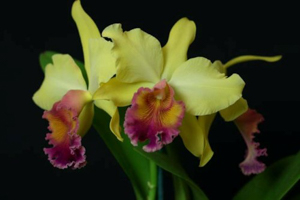
The extreme heat seems to discourage active growth and flowering, but many plants are either developing buds for their autumn flowering or are ripening growths that will power the winter and spring blooming season. The bifoliates and nodosa hybrids seem best able to bloom during the summer temperature extremes. The high temperatures and humidity typical of our summer coupled with tropical storm weather create the potential for black rot. Consider allowing plants to dry harder between waterings. Tie up new growths carefully to promote upright development of the pseudobulbs.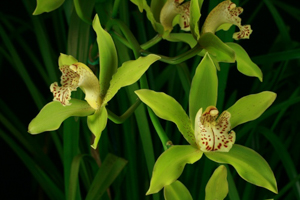
Cymbidiums
Use high potassium fertilizer in late August. The potassium level should be at 250 to 300 ppm potassium (K) and zero to very low N. Do this only two times at a two week interval. Wait a month then resume your normal fertilizer schedule.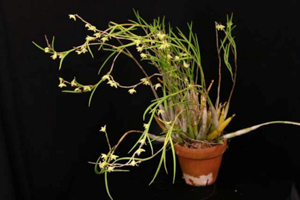
Dendrobiums
The nobile-type dendrobiums are popular though some growers find them difficult to flower. In order to promote the gradual shift from active growth to the flowering cycle, start withholding nitrogen now. Some growers report using a bloom booster this time of year on winter dormant plants helps prepare them for their dormancy.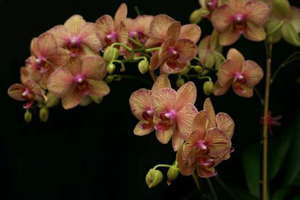
Phalaenopsis
Current high temperatures are particularly stressful for phalaenopsis. Excess heat and humidity promote bacterial Pseudomonas infections on the fleshy leaves. Keep light levels subdued, promote sufficient air circulation and do not splash water from one plant onto another. Keep using a dilute fertilizer with every watering to develop the strongest roots and largest leaves prior to the winter flowering season.